In NSW a landlord can only charge for water usage when the following conditions are met:
- The property is separately metered (or water usage can be accurately measured).
- The property meets the required water efficiency standards.
- The tenancy agreement does not prohibit the tenant from paying water usage charges.
If these conditions are met, the tenant can be charged for the water usage component of the bill, but not necessarily all water-related charges.
Landlords generally remain responsible for:
- Water service charges (the fixed charge for being connected to water)
- Sewerage service charges
- Stormwater charges
Tenants are typically only liable for the actual water consumption (usage).
For most residential tenancies to meet “water efficiency standards” the property must have:
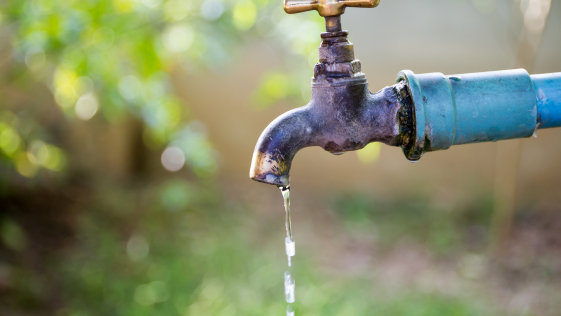
- No leaking taps or toilets at the start of the tenancy.
- Water-efficient shower heads (maximum flow rate requirements apply).
- Water-efficient taps for internal cold-water and kitchen sinks (unless exempt).
If the property does not meet the required standards, the landlord generally cannot recover water usage charges from the tenant.
A landlord or agent should provide a copy of the water bill and request payment within the required timeframes. If there is a dispute about the amount, water efficiency, or metering, tenants can seek assistance from NSW Fair Trading or apply to NSW Civil and Administrative Tribunal for a determination.
This article was published on 14/08/26 and the information is valid as at the date of publishing. This article is general in nature and is not and should not be considered or relied on as legal advice. Meehans Solicitors is not responsible in the event this information is relied upon by the reader in the absence of specific legal advice.